
Bandra / Khar West
Ghatkopar West / R City Mall
Thane West / Hiranandani Estate
Thane / Majiwada / Lodha Paradise
Thane West / Chestnut Plaza
Navi Mumbai / Kokilaben DAKC
Andheri East / Apollo Chakala
Andheri West / DLH Plaza
Bandra / Khar West
Ghatkopar West / R City Mall
Thane West / Hiranandani Estate
Thane / Majiwada / Lodha Paradise
Thane West / Chestnut Plaza
Navi Mumbai / Kokilaben DAKC
Andheri East / Apollo Chakala
Andheri West / DLH Plaza
Dental Sedation Guide
Does Nitrous Oxide Put You to Sleep?
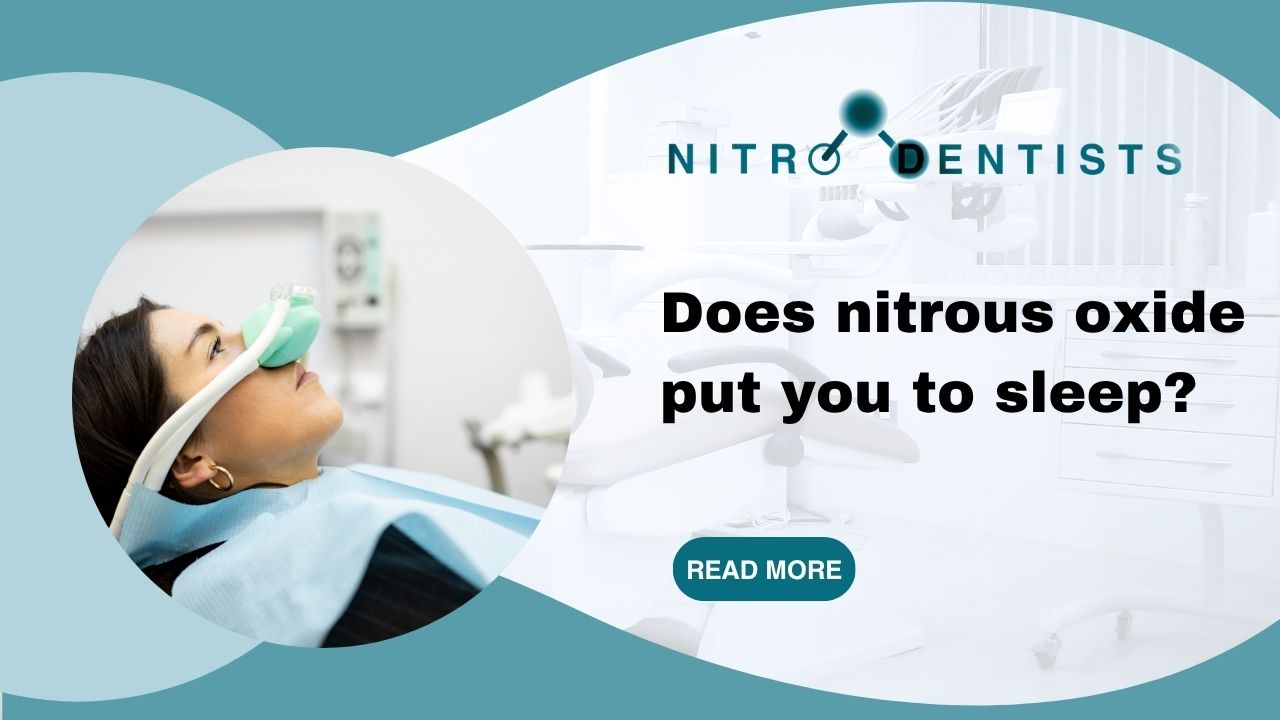
Understanding Laughing Gas, Patient Awareness, and What to Expect
If you feel nervous about visiting the dentist, you might have heard of nitrous oxide, often called laughing gas. A very common question patients ask before treatment is: "Does nitrous oxide put you to sleep?"
The short answer is no. Nitrous oxide is a form of conscious sedation. You remain awake, aware of your surroundings, and able to respond to your dental team throughout your procedure. However, because it creates such a deep sense of calm and relaxation, many patients wonder what the experience actually feels like and why some people feel as though they took a nap.
Whether you are visiting for routine dental cleaning, a root canal treatment, extractions, or dental implants with nitrous oxide sedation dentistry in Mumbai, this simple guide explains how laughing gas works, how it feels, and what you should know about safety and recovery.
Patient Guide
6 Key Facts About Nitrous Oxide Sedation
Here is a quick overview of what to expect when receiving laughing gas at the dental clinic.
You Remain Awake
You stay conscious throughout the visit. You can hear your dental team, follow simple requests, and know what is happening around you.
Natural Breathing
You breathe on your own through a comfortable nasal hood. Natural protective reflexes are generally maintained during conscious sedation, though patient responses can vary.
Calms Dental Anxiety
It helps ease nervous tension and dental apprehension for many patients, making the appointment feel more manageable.
Easy Communication
Because the small hood only covers your nose, you can talk, swallow, and use simple hand signals with your dentist whenever you wish.
Prompt Clearance
Once the gas is turned off, breathing supplemental oxygen for a few minutes helps clear it from your body through your lungs.
Paired with Local Numbing
Sedation calms your mind, while local anesthesia numbs the tooth. Using both together provides a comfortable experience.
Patient Experience
Why Do People Think Laughing Gas Puts You to Sleep?
If nitrous oxide does not cause sleep, why do so many people think it does? When patients receive laughing gas, several normal feelings can easily make it seem like they took a short nap:
01
Time Seems to Pass Quickly
Laughing gas often changes how you perceive time. An appointment that takes 30 to 45 minutes can feel like it lasted only 5 or 10 minutes. When treatment ends quickly, patients naturally assume they must have been asleep.
02
Deep Relaxation and Heavy Eyelids
As anxiety fades, your muscles unclench and tension in your neck, jaw, and shoulders disappears. Your eyelids may feel comfortably heavy, much like resting in bed on a quiet morning.
03
Clinic Sounds Feel Far Away
Dental sounds, such as handpieces or ultrasonic tools, often feel distant and unbothering. You are still aware of them, but they do not cause alarm or worry.
04
Resting Due to Pure Relief
Many anxious patients lose sleep before their appointment due to fear. Once the gas brings relief and peace, some patients close their eyes and lightly doze off simply because they finally feel relaxed.
Can You Fall Asleep Accidentally?
If you do close your eyes and take a light nap during treatment, you are resting in a relaxed state rather than undergoing deep unconscious anesthesia. For most patients, a gentle spoken prompt from the dentist, such as "Please open a little wider," is enough to regain attention, though individual depth of relaxation and response times can vary. Your dentist checks in with you regularly throughout the appointment to monitor your comfort and responsiveness.
Sensory Guide
What Does Laughing Gas Actually Feel Like?
Knowing what to expect can help ease any hesitation. The sensations come on smoothly and gently over a few minutes:
01
Gentle Warmth (First 2 to 3 Minutes)
You breathe normally through a small nose hood. Within a few breaths, a pleasant feeling of warmth spreads through your body, and tight muscles begin to loosen.
02
Light Tingling in Hands and Feet
Many people notice a mild, comfortable tingling in their fingers or toes. Others describe feeling light or comfortably heavy in the dental chair.
03
A Sense of Calm and Ease
Nervous feelings and apprehension often subside. Many patients also experience a reduced gag reflex, helping make treatment more manageable.
04
Clearing the Gas with Oxygen
At the end of the appointment, the dentist stops the nitrous oxide and provides pure oxygen through the mask for several minutes. This helps clear the gas from your lungs and allows normal alertness to return.
Does It Actually Make You Laugh?
Despite its nickname, laughing gas rarely causes uncontrolled laughing. Most patients simply feel peaceful and relaxed, though individual emotional responses can vary. You generally remain aware and in control.
Comfort & Care
How Laughing Gas and Local Numbing Work Together
Another frequent question is whether laughing gas replaces dental numbing injections. It is helpful to know that they serve two different purposes:
01
Nitrous Oxide Relaxes the Mind
Laughing gas eases anxiety, reduces fear of dental sounds, and raises your comfort level so you feel calm and at ease in the chair.
02
Local Numbing Blocks Tooth Sensations
For treatments like tooth fillings, root canals, or extractions, local anesthesia numbs the specific tooth and nearby gums so you do not feel discomfort during the procedure.
03
A Comfortable Combination
Because laughing gas promotes general relaxation, many patients find they are less bothered by the local numbing injection, though individual sensations and comfort levels can vary. Read our guide on Nitrous Oxide vs Local Anesthesia to learn more.
Who Benefits Most From Sedation Care?
Nitrous oxide sedation is helpful for adults with dental apprehension, patients with a sensitive gag reflex, children having dental work, or anyone who wants a more relaxed appointment. Learn more about the benefits of nitrous oxide for anxious patients.
Patient Guidance
Safety Guidelines and What to Know Before Treatment
Nitrous oxide has a long track record of safe use in dental offices. However, reviewing your health history with your dental team helps ensure it is appropriate for you.
General Preparation Tips
- Eat a light meal 1 to 2 hours before your visit to avoid an unsettled stomach.
- Breathe normally through your nose during the procedure.
- Share any medical conditions or medications with your dentist beforehand.
- Relax and let the team know if you would like the gas adjusted at any time.
When to Check with Your Doctor
- Severe nasal congestion or a cold that blocks breathing through the nose.
- Recent eye or middle ear surgery (consult your doctor first).
- Pregnancy (elective sedation is typically deferred, especially early on).
- Significant respiratory or lung conditions.
Does Laughing Gas Put Children to Sleep?
No. Just like adults, children remain awake during pediatric laughing gas sedation. They can listen to the pediatric dentist and watch videos while staying calm and cooperative. To learn more, read our pediatric nitrous oxide guide.
Clinic Locations
Comfortable Sedation Dentistry Across Mumbai & Thane
Nitro Dentists offers calibrated nitrous oxide conscious sedation in modern clinics across Mumbai and Thane, supervised by experienced dental surgeons.
Nitro Dentists – Gentle Dental Care
Our clinics are equipped with modern sedation units and dental technology designed to support patient comfort and help ease anxiety during dental care.
Key Clinic Locations
Frequently Asked Questions
Common Questions About Laughing Gas and Sleep
Clear, straightforward answers to help you understand dental sedation before your visit.
No. Nitrous oxide, commonly called laughing gas, is a form of conscious sedation. You remain awake, aware of what is happening around you, and able to talk with your dental team throughout your visit.
Laughing gas produces deep mental and physical relaxation. It often makes time feel like it is passing much faster, and it reduces awareness of clinic sounds. Patients who are tired or relieved of nervous tension may also close their eyes and lightly doze off.
Yes. If you close your eyes and take a light nap because you feel relaxed, you are resting rather than in an unconscious state. Most patients respond readily to a gentle spoken prompt from the dentist, although individual responsiveness can vary.
Yes. The soft nasal mask covers only your nose, leaving your mouth open for treatment. You can speak, swallow, and answer your dentist at any time.
No. Nitrous oxide relaxes your mind and helps reduce anxiety, while local anesthesia numbs the tooth and gums. For treatments like root canals or extractions, both are used together so you stay comfortable and relaxed. Read our guide on is nitrous oxide better than local anesthesia.
Most patients remember their appointment clearly, but the experience feels comfortable and calm rather than stressful.
Yes. Nitrous oxide is widely used in pediatric dentistry. Children stay awake and cooperative, making it easier for them to complete treatment calmly. Explore our pediatric nitrous oxide sedation guide.
Once the gas is stopped, pure oxygen is given for several minutes to help clear it from your system. Many patients feel back to normal shortly after, though individual recovery times can vary and your dentist will check your readiness before you leave. Learn more in our guide on how long recovery takes after laughing gas.
Have Questions About Dental Sedation?
Dental anxiety is common and manageable. Schedule a consultation with our dental team to discuss whether nitrous oxide conscious sedation is suitable for your individual treatment needs across our clinics in Mumbai and Thane.